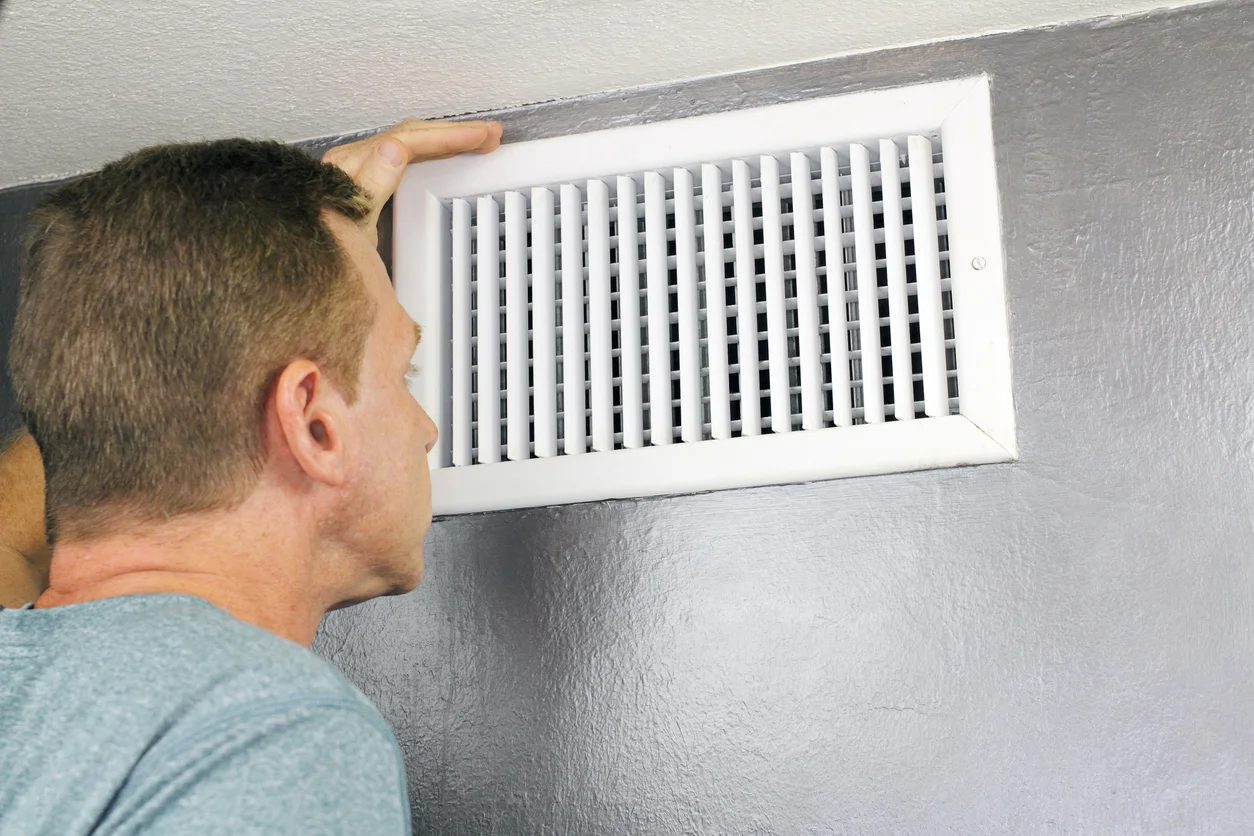
The air conditioner has been humming along since spring, your thermostat has barely left COOL, and then a rare cold front finally reaches South Florida. You switch your system to HEAT; warm air begins to flow, and suddenly there's an unfamiliar smell drifting through the house.
It's enough to make many homeowners wonder if something is wrong.
The good news is that not every heating odor signals a repair. In fact, because most homes in South Florida use heat pumps instead of gas furnaces, the reasons behind these smells are often very different from what you'll find in general HVAC advice online.
Some odors are completely normal after months of inactivity. Others point to issues that shouldn't be ignored.
Knowing the difference can help you avoid unnecessary worry—and recognize when it's time to have your system inspected before a small issue becomes a larger repair.
Why Heating Systems Smell Different in South Florida
Unlike homes in colder climates, South Florida heating systems may sit unused for most of the year. Heat pumps spend nearly all their time cooling and removing humidity from the home, while the electric heating elements remain dormant until one of the season's few chilly mornings.
That long period of inactivity creates conditions that are unique to our climate.
Dust settles on heating components that haven't generated heat in months. Pet hair, pollen, and other airborne particles gradually collect inside the system. At the same time, South Florida's humidity keeps the indoor coil and condensate system damp for much of the year, creating an environment where dirt and biological growth can accumulate if maintenance has been neglected.
When you finally switch to heating mode, those components are exposed to warm airflow for the first time in months—and that's often when homeowners notice unusual smells.
Normal Heating Odors You May Notice
Not every smell is a reason to call for repairs. Some are expected when a heating system runs for the first time after months of cooling.
A Brief Burning or Dusty Smell
One of the most common odors resembles dust burning off a hot light bulb.
This happens because dust naturally settles on the electric heat strips while they're inactive. As those elements warm up, the dust burns away.
In most homes, the smell should fade within 20 to 30 minutes of continuous operation.
Homes with pets, ongoing remodeling projects, or overdue air filter replacements may notice the odor a little longer simply because there's more dust inside the system.
A Slight Metallic or Warm-Air Smell
Warm air carries scents differently from cool air.
It's normal to notice a faint metallic, warm, or "toasty" smell during the first heating cycle. Metal components haven't expanded under heat for months, so this temporary odor isn't unusual.
The important thing is that the smell gradually disappears.
If it fades after the first extended heating cycle and doesn't return regularly, your system is likely operating as expected.
Heating Odors That Shouldn't Be Ignored
Some smells deserve closer attention because they can point to mechanical issues, electrical problems, or indoor air quality concerns.
Musty or Moldy Odors
A persistent musty smell—often compared to damp towels or a locker room—is one of the most common complaints in South Florida homes.
Rather than coming from the heating elements themselves, this odor often originates from:
- Mold growing on the evaporator coil
- Bacteria inside the drain pan
- Moisture buildup around the indoor unit
- Dirty ductwork or clogged condensate drains
Because our climate stays humid most of the year, HVAC systems remove large amounts of moisture from indoor air. Without regular maintenance, that moisture can contribute to biological growth inside the system.
If the smell continues every time the system runs, it's worth scheduling an inspection instead of hoping it goes away on its own.
Burning Plastic or Electrical Smells
An odor similar to melting plastic, burning rubber, or overheated wiring is not considered normal.
Possible causes include:
- Loose electrical connections
- Failing blower motors
- Damaged wiring insulation
- Electrical components overheating
If you notice this type of smell, turn the system off and avoid running it again until it has been inspected.
Electrical problems can worsen quickly and shouldn't be treated as a normal first-use odor.
Chemical or Refrigerant-Like Smells
Although refrigerants are generally odorless under normal conditions, homeowners occasionally describe refrigerant leaks as having a faint chemical or sweet smell.
A refrigerant leak may also be accompanied by:
- Reduced heating performance
- Longer heating cycles
- Higher utility bills
- Ice buildup on system components
Because refrigerant issues affect both heating and cooling performance, professional diagnostics are needed to determine the exact cause.
Why Musty Heating Smells Are So Common in Broward County
South Florida's climate creates challenges that homeowners in colder regions rarely experience.
The combination of high humidity, frequent rainfall, and year-round air conditioning means HVAC systems spend much of the year removing moisture from indoor air.
Even after the cooling season slows down, moisture can remain inside:
- Evaporator coils
- Drain pans
- Condensate lines
- Portions of the duct system
Over time, dirt and moisture create an environment where mold and bacteria can develop.
Homes closer to the coast face another challenge.
Salt in the air can gradually corrode HVAC components, creating rough surfaces that trap debris and moisture more easily. While corrosion doesn't directly create odors, it can contribute to conditions that allow biological growth to develop.
That's one reason regular maintenance is especially valuable for homeowners throughout Broward County and surrounding coastal communities.
How to Prevent Strange Smells Before the First Cold Night
You don't have to wait until the first chilly evening to find out how your heating system will smell. A little preparation before cooler weather arrives can reduce both harmless odors and signs of larger HVAC issues.
Replace Your Air Filter
If your filter has been collecting dust, pet hair, and airborne debris throughout the cooling season, it's a good idea to replace it before switching to heat.
A clean filter helps:
- Improve airflow
- Reduce dust circulating through the system
- Minimize dust burning on heating elements
- Support better indoor air quality
For many homes, checking the filter every one to three months is a good habit, though households with pets or allergy concerns may need more frequent replacements.
Test the Heat Before You Actually Need It
Rather than discovering an issue on the coldest night of the year, try running your heating system for about 20 to 30 minutes before cooler weather settles in.
Doing this early allows you to:
- Burn off any accumulated dust
- Listen for unusual noises
- Notice unfamiliar odors
- Confirm the system is heating properly
If everything operates normally, you can feel more confident when the next cold front arrives.
Schedule Seasonal HVAC Maintenance
Routine maintenance is one of the best ways to catch small issues before they become inconvenient repairs.
During a professional inspection, a technician may:
- Clean the indoor coil if needed
- Inspect the condensate drain and drain pan
- Check electrical connections
- Test heating components
- Verify thermostat operation
- Look for signs of wear or corrosion
In South Florida, where HVAC systems work almost year-round, those routine inspections can be especially valuable.
Consider Indoor Air Quality Improvements
If musty odors return every heating season, the problem may involve more than dust.
Depending on your home's needs, solutions could include:
- Improved air filtration
- UV air purification systems
- Coil cleaning
- Humidity management
Addressing indoor air quality concerns not only reduces unpleasant odors but can also improve overall comfort throughout the year.
When It's Time to Call an HVAC Professional
A brief dusty smell during the first heating cycle usually isn't cause for concern.
However, it's time to schedule an inspection if you notice:
- A burning smell that doesn't fade
- Electrical or melting plastic odors
- Persistent musty smells
- Chemical-like odors
- Heating performance that suddenly changes
- Strange noises along with unusual smells
Ignoring these warning signs can allow minor issues to become larger repairs, especially when electrical components or moisture-related problems are involved.
Having the system evaluated early is often simpler—and less disruptive—than waiting until it stops working altogether.
Don't Ignore a Heating Smell That Doesn't Seem Right
Most first-use heating odors are harmless and disappear once the dust has burned away. But if the smell lingers, returns every time the heat runs, or seems unusual, it's worth having your HVAC system inspected.
Whether the issue involves the heating components, indoor air quality, or another part of the system, an experienced technician can identify the cause and recommend the right solution.
If your heating system has an odor that doesn't seem normal, HI-VAC Air Conditioning Service can help with heating repair, HVAC inspections, maintenance, and indoor air quality services.
Call (954) 516-2533 or contact us today to schedule an appointment.