

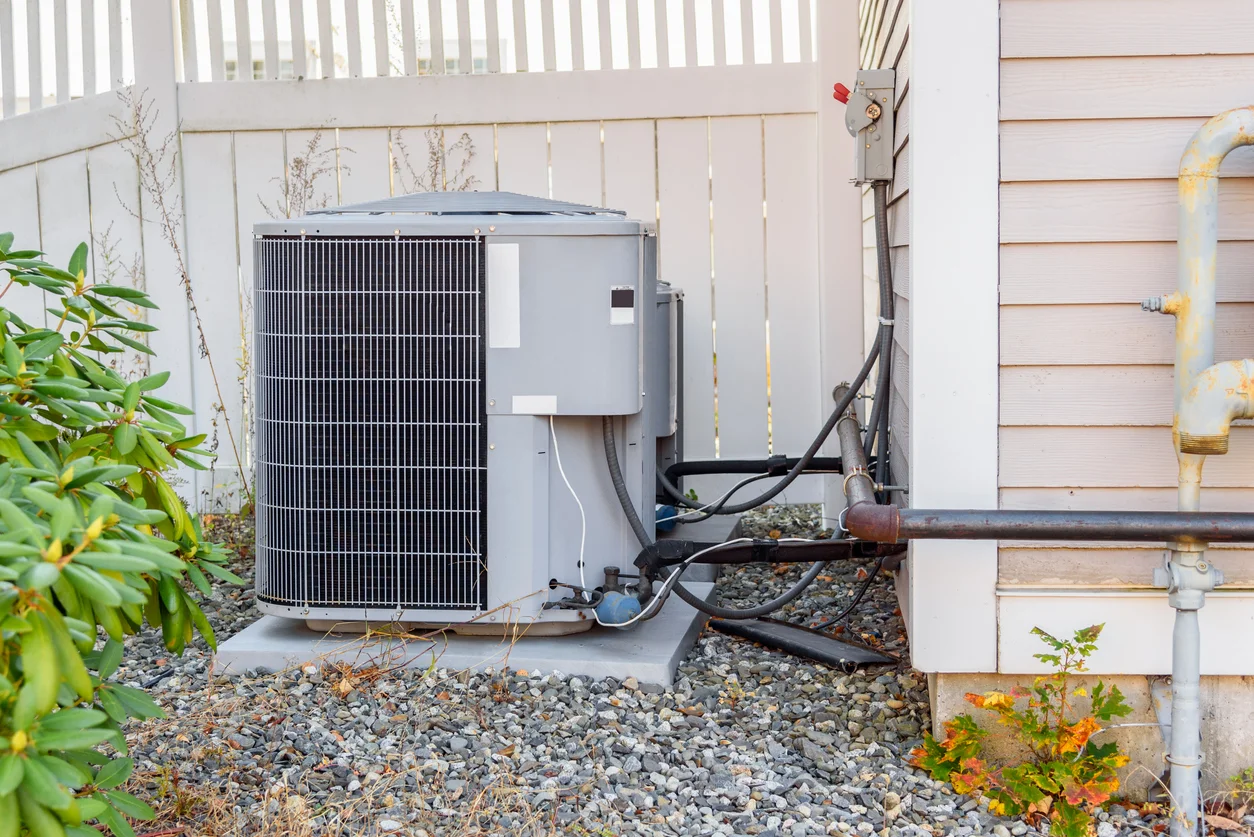
South Florida homeowners spend far more time worrying about keeping their homes cool than keeping them warm. That's why the first cold front of the season often catches both people and HVAC systems off guard.
One evening, it's humid enough for air conditioning, and the next morning temperatures have dropped enough to switch the thermostat to HEAT. Instead of warm air, though, you might notice cool air coming from the vents, hear unfamiliar sounds outside, or wonder why your system seems to be running longer than expected.
If you've experienced that, you're not alone.
Unlike homes in colder climates, HVAC systems across Broward County and the surrounding area are designed to handle months of cooling with only occasional heating. Those sudden weather changes can make perfectly normal system behavior seem like a problem—or reveal maintenance issues that stayed hidden throughout the long cooling season.
Understanding how your heat pump responds during a cold snap can help you separate expected behavior from signs that deserve professional attention.
Why South Florida HVAC Systems Respond Differently to Cold Weather
Most homes in South Florida rely on heat pumps, not traditional gas furnaces.
A heat pump doesn't create heat by burning fuel. Instead, it transfers heat from the outdoor air into your home. Even when outdoor temperatures feel chilly by local standards, there's still heat available for the system to move indoors.
That approach works well because our winters are generally mild. According to the National Weather Service, average winter temperatures across South Florida typically remain well above freezing, with cold fronts arriving only periodically rather than lasting for weeks.
Because heating is used so infrequently, several HVAC components may sit idle for months before they're needed again. When they're suddenly called into service, homeowners may notice operating sounds or performance differences they haven't heard since the previous winter.
What Happens Inside Your Heat Pump During a Cold Front
When outdoor temperatures fall, your heat pump has to work harder than it does during mild weather.
The outdoor coil becomes significantly colder than the surrounding air while collecting heat. If humidity is present—which is common in South Florida—even cool temperatures in the upper 30s or 40s can allow frost to develop on the outdoor coil.
Rather than continuing to operate inefficiently, the system automatically enters a defrost cycle.
During this process, you may notice:
- Steam rising from the outdoor unit
- A temporary change in the sound of the system
- Air from the vents becoming cooler for several minutes
- The outdoor fan stopping briefly before restarting
For homeowners unfamiliar with heat pumps, these changes can seem alarming. In reality, they're built into the system's normal operation and help maintain efficient heating throughout colder weather.
Why Your Heating May Feel Different Than Expected
One of the biggest surprises for South Florida homeowners is that heat pumps don't deliver the same intense blast of hot air that a gas furnace produces.
Instead, they provide a steady stream of moderately warm air over a longer period.
That often leads homeowners to think the system isn't working, even though it's maintaining the desired indoor temperature.
During colder mornings, you may notice:
- Longer heating cycles
- More frequent system operation
- Smaller temperature increases between cycles
- Slightly higher electric bills
This is especially true if your system activates its auxiliary heat strips, which provide additional warmth when outdoor temperatures temporarily reduce the heat pump's efficiency.
Those electric heating elements consume considerably more electricity than standard heat pump operation, making short cold snaps surprisingly noticeable on the next utility bill.
The Overlooked Setting That Can Prevent Your Heat From Running
Many South Florida homes have one feature that homeowners rarely think about until winter arrives: the humidistat.
Unlike a thermostat, which measures temperature, a humidistat monitors indoor humidity levels.
If it's still configured for humid summer weather, it may interfere with heating operation during a cold front.
Before assuming your HVAC system has failed, check whether your home has:
- A separate wall-mounted humidistat
- Humidity controls built into a smart thermostat
- Dehumidification settings that remained unchanged after the cooling season
If humidity settings are too aggressive, the system may not respond the way you expect when switching to heat mode.
Fortunately, this is often a quick adjustment rather than a mechanical repair—a uniquely South Florida issue that many homeowners encounter after the season's first cold snap.
When Cold Weather Reveals Existing HVAC Problems
While some changes are perfectly normal, colder weather can also expose issues that developed during months of heavy cooling.
For example, a heat pump that struggled through summer with minor refrigerant loss or electrical wear may continue cooling adequately but show noticeable heating problems once temperatures drop.
Some warning signs deserve closer attention:
- The system never switches into heating mode.
- It repeatedly turns on and off after only a few minutes.
- The home never reaches the thermostat setting.
- Ice continues building on the outdoor unit long after the defrost cycle should have ended.
- Circuit breakers trip whenever heating begins.
These symptoms usually indicate more than seasonal adjustment. They may point to refrigerant issues, reversing valve problems, electrical faults, or other components that require diagnosis rather than simple thermostat adjustments.
Preparing Your HVAC System Before the Next Cold Front
Cold fronts rarely last long in South Florida, but they tend to arrive with little warning. A few simple steps before temperatures drop can help your system transition from cooling to heating more smoothly.
Test the Heating Mode Early
Don't wait until the coldest evening of the year to find out whether your heating system works.
Instead, choose a mild day and switch the thermostat to HEAT for 10 to 15 minutes. This gives you a chance to confirm that:
- Warm air reaches every room
- The thermostat responds properly
- The outdoor unit operates normally
- There are no unusual noises or persistent odors
If something doesn't seem right, you'll have time to schedule service before colder weather arrives.
Check Your Thermostat and Humidity Settings
Because South Florida homes often use humidity controls alongside their HVAC systems, it's worth reviewing those settings before winter.
If your thermostat includes humidity management or your home has a separate humidistat, make sure the settings won't interfere with heating operation.
A quick review now can prevent unnecessary troubleshooting later when temperatures suddenly drop.
Replace a Dirty Air Filter
Your HVAC system likely spent months circulating air almost every day during the cooling season.
That means your filter may be full of:
- Dust
- Pet hair
- Pollen
- Household debris
Restricted airflow makes both cooling and heating less efficient.
Replacing the filter before winter helps improve airflow and allows the system to distribute heat more evenly throughout your home.
Schedule Maintenance Before You Need Heat
Heating problems are much easier to address before the weather changes.
During a seasonal HVAC inspection, a technician can evaluate components that homeowners typically can't access, including:
- Heat pump reversing valve operation
- Defrost controls
- Electrical connections
- Refrigerant levels
- Indoor and outdoor coils
- Airflow and duct performance
Routine maintenance also helps identify corrosion or wear that can become more noticeable during colder weather—particularly in coastal communities where salt air accelerates deterioration.
Don't Forget About the Return to Cooling
One thing that makes South Florida different from most of the country is how quickly winter weather disappears.
It's common to use the heater one morning and switch back to air conditioning a day or two later.
Rather than lowering the thermostat dramatically all at once, let the system transition gradually.
Lowering the temperature in stages gives the equipment time to stabilize and reduces the likelihood of unnecessary strain during the sudden change back to cooling.
If you ever notice weak airflow or suspect ice has formed on the indoor coil after switching back to cooling, turn the system off and allow it to thaw before restarting it. Continuing to run an iced-over system can reduce performance and increase wear on HVAC components.
Small Seasonal Changes Can Reveal Bigger HVAC Issues
South Florida's winters may be brief, but they often expose problems that go unnoticed during the long cooling season.
Understanding how your heat pump operates during a cold front—and knowing what's considered normal—can save you unnecessary worry while helping you recognize when professional service is the better option.
If your system struggles to heat your home, repeatedly short cycles, or doesn't seem to recover after temperatures change, having it inspected early can prevent more extensive repairs later.
Whether you need a seasonal HVAC inspection, heat pump repair, or preventive maintenance, HI-VAC Air Conditioning Service is here to help.
Call (954) 516-2533 to schedule service or contact our team today to make sure your HVAC system is ready for South Florida's changing weather.