Air conditioners are supposed to run long enough to cool your home and remove humidity from the air. If your system starts, runs for a few minutes, shuts off, and then starts again shortly afterward, something may not be working as intended.
This issue is known as short-cycling. It's a common problem that can affect comfort, energy use, and the lifespan of your cooling equipment.
For homeowners in Fort Lauderdale, Sunrise, Davie, and Coral Springs, short-cycling can become especially noticeable during the hottest months of the year when air conditioners are already working hard to keep up with the Florida heat.
What Is AC Short-Cycling?
Short-cycling happens when an air conditioner turns on and off more frequently than normal.
A properly functioning system should complete a full cooling cycle before shutting down. When short-cycling occurs, the system may stop before reaching the desired temperature or restart again soon after shutting off.
Many homeowners first notice the problem because:
- Indoor temperatures feel inconsistent
- Certain rooms never seem comfortable
- The AC turns on repeatedly throughout the day
- Energy bills begin climbing unexpectedly
While the system may still produce cool air, frequent cycling often signals an underlying issue that should be addressed.
Why Short-Cycling Can Increase Energy Costs
Every time your air conditioner starts, it uses a significant amount of electricity.
When the system repeatedly starts and stops, it uses more energy than a unit that completes normal cooling cycles. That extra strain can show up on your monthly utility bill.
Short-cycling can also make it harder for the system to remove humidity from indoor air. As a result, your home may feel warmer and stickier even when the thermostat setting remains unchanged.
In South Florida's humid climate, that difference is often noticeable.
Common Causes of AC Short-Cycling
Several issues can cause an air conditioner to cycle improperly.
Dirty Air Filters
A clogged filter can restrict airflow and force the system to work harder than necessary.
Reduced airflow may lead to overheating or other operational issues that contribute to short-cycling.
Fortunately, this is often one of the simplest problems to address.
Thermostat Problems
The thermostat controls when your system turns on and off.
If it's installed in a poor location, exposed to direct sunlight, or experiencing calibration issues, it may send inaccurate signals to the system.
This can cause the AC to shut down before the rest of the home reaches the desired temperature.
Refrigerant Issues
Low refrigerant levels can affect cooling performance and place additional stress on system components.
In some cases, refrigerant-related problems may contribute to short-cycling while also reducing your home's comfort.
Electrical Component Problems
Air conditioners rely on multiple electrical components to operate properly.
Faulty wiring, failing capacitors, damaged relays, or other electrical concerns can interfere with normal cycling patterns.
Because electrical issues can affect system reliability and safety, they should be evaluated by a professional.
An Oversized Air Conditioner
Many homeowners are surprised to learn that bigger isn't always better.
An oversized air conditioner may cool the home too quickly and shut off before completing a full cycle. While that sounds efficient, frequent starts and stops can create comfort issues and increase wear on the equipment.
Why Short-Cycling Can Lead to Bigger Problems
A short-cycling air conditioner often experiences more wear than a system operating normally.
The repeated starting and stopping can place additional stress on components such as:
- Compressors
- Capacitors
- Contactors
- Motors
Over time, this extra strain may increase the likelihood of repairs and unexpected breakdowns.
If the issue occurs during July or August, when demand on cooling equipment is at its highest, a minor concern can quickly become a much larger inconvenience.
When to Schedule an Air Conditioning Inspection
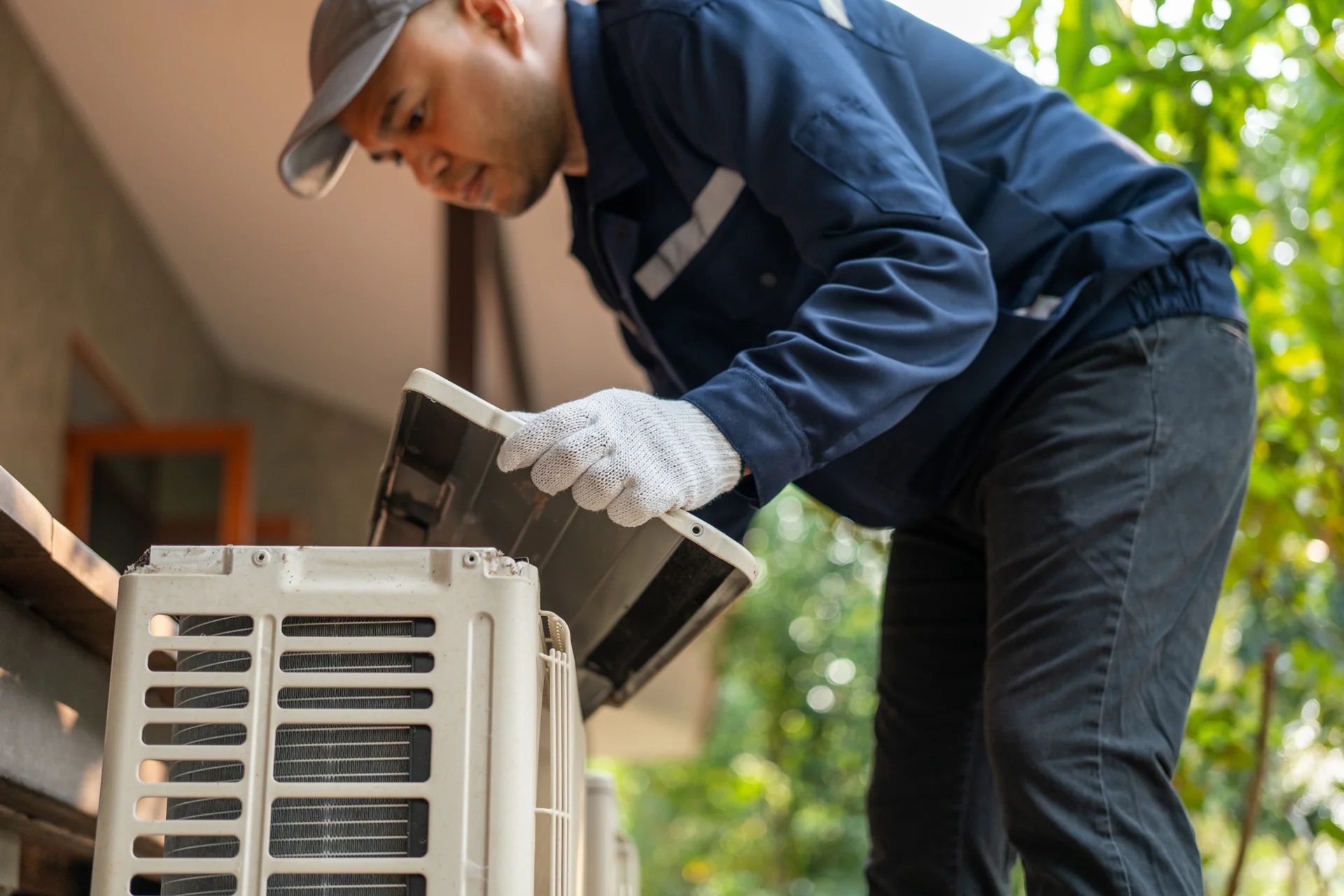
Not every short-cycling issue has the same cause, which is why a professional air conditioning inspection can be valuable.
An inspection allows technicians to evaluate:
- Airflow
- Refrigerant levels
- Thermostat operation
- Electrical components
- Overall system performance
Identifying the cause early can help prevent unnecessary strain on the system and restore more consistent comfort throughout the home.
Can Short-Cycling Become an Emergency HVAC Issue?
Sometimes.
If the system is no longer cooling effectively, repeatedly shuts down, trips breakers, or stops operating altogether, emergency HVAC service may be necessary.
During South Florida's hottest months, extended cooling interruptions can make indoor conditions uncomfortable very quickly.
Knowing when to seek professional help can prevent additional damage and reduce downtime.
Address Short-Cycling Before It Gets Worse
An air conditioner that constantly turns on and off is usually trying to tell you something.
Whether the issue stems from airflow restrictions, thermostat problems, refrigerant concerns, or electrical components, addressing the problem early can help improve comfort, reduce unnecessary energy use, and prevent additional wear on the system.
If your cooling system is short-cycling, HI-VAC Air Conditioning Service provides air conditioning services, air conditioning inspections, emergency HVAC service, and emergency air conditioning support throughout Fort Lauderdale, Sunrise, Davie, and Coral Springs, FL.
Have you noticed your AC turning on and off lately? Call (954) 516-2533 or reach out to us online, and we'll take a look!